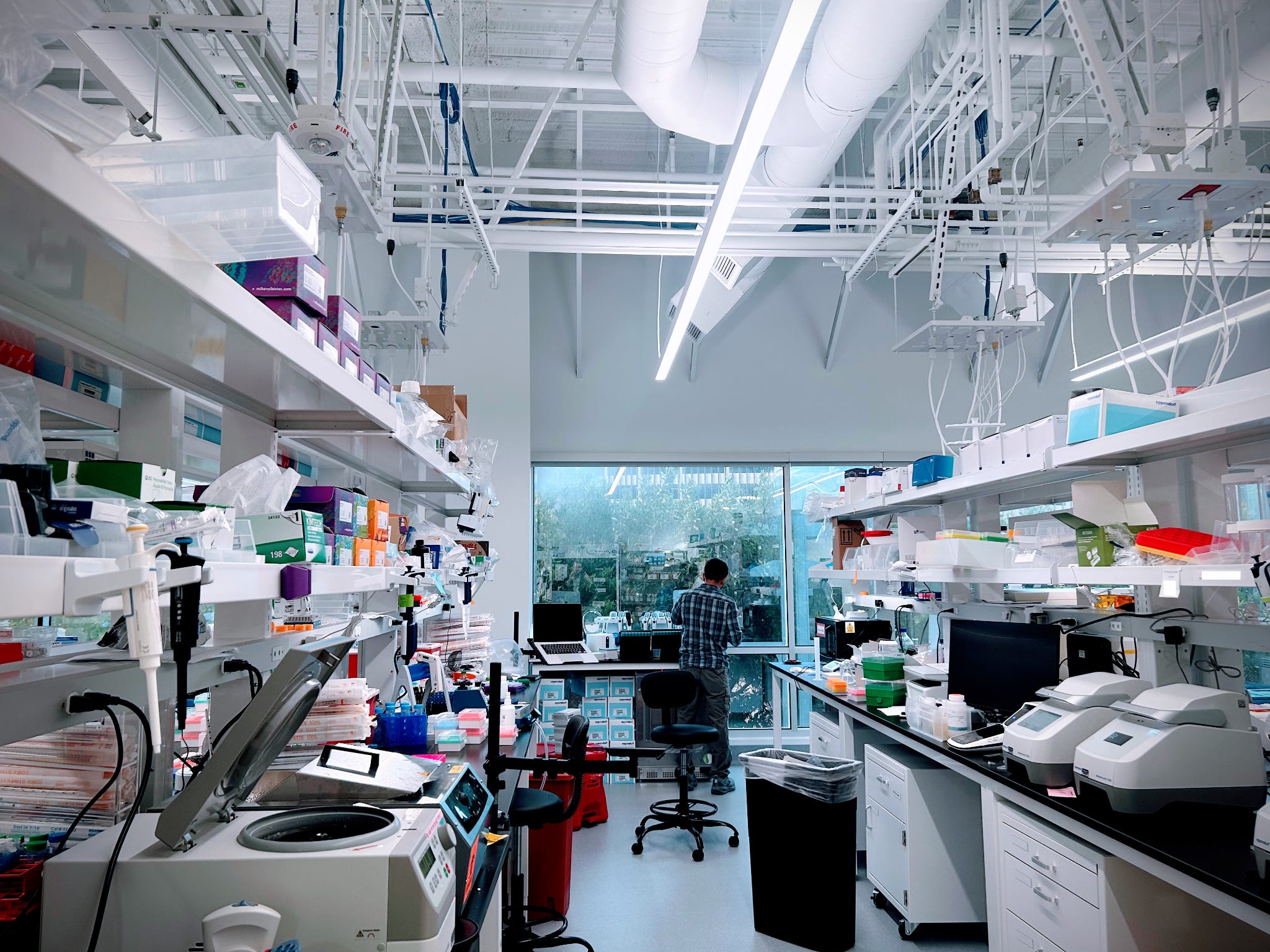
Over the summer, we achieved more drug development milestones than in the rest of NewLimit history up to this point. We scaled our manufacturing processes, ran our first large animal model studies, and engaged productively with regulators. Our pipeline of reprogramming payloads continued to grow, hitting new all time highs for both the quality of our best payloads and the quantity of payloads we explored.
Numerical highlights:
>2X stronger regenerative rescue in old hepatocytes
+2 payloads rescue multiple functions in old hepatocytes
+8 payloads restore function in old endothelial cells, +5 in hepatocytes
314X scale up of therapeutic manufacturing, 13X quality improvement
2.5X improvement in endothelial cell age prediction accuracy
>5000 payloads tested for effects on cell age (all time high!)
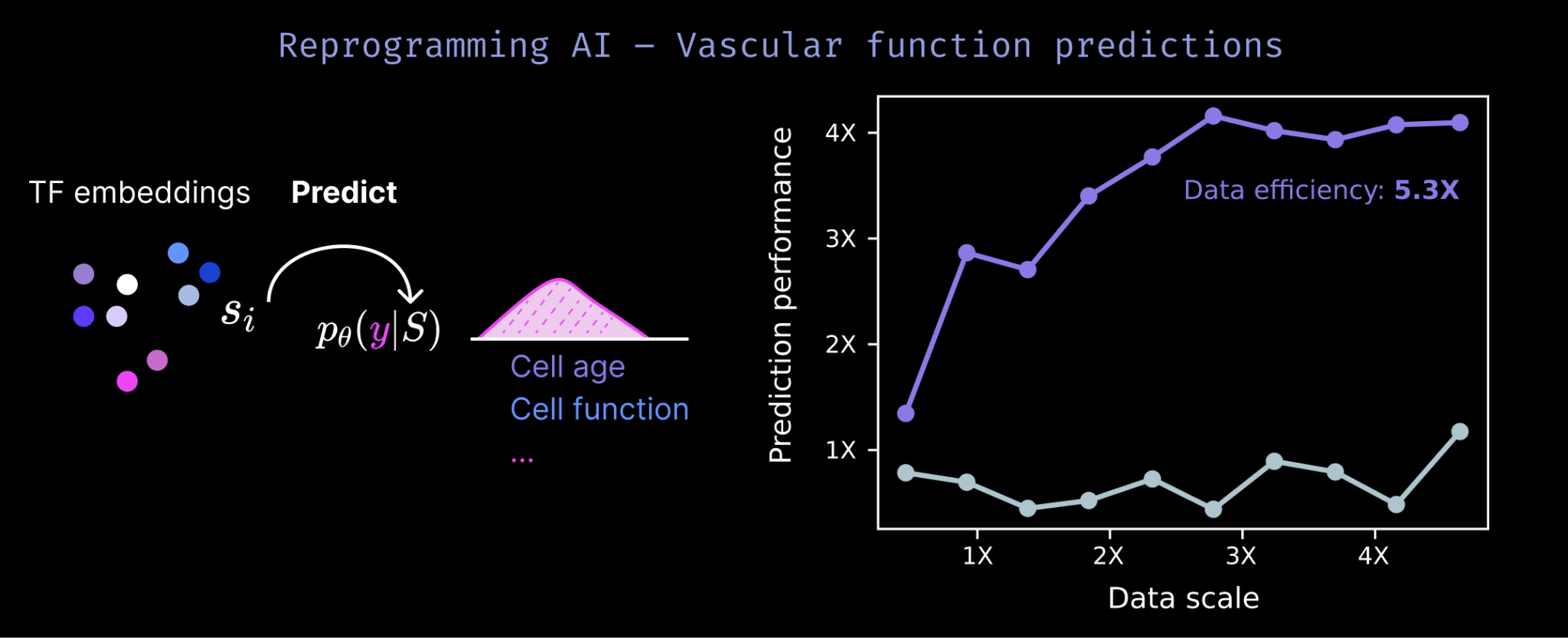
5X improvement in data efficiency from transfer learning
People
Alongside the growth of our science, we’ve welcomed more new members to the team than in any months prior! Included in this cohort are two new leaders.
Hank Mansbach joined as our Head of Clinical Development to lead the advance of our products to the clinic. Hank has 30 years of experience developing and commercializing transformative medicines in multiple therapeutic areas. Most recently, he was the Chief Medical Officer at 89bio where he led the clinical development of pegozafermin in MASH and SHTG from Phase 1 to multiple global Phase 3 studies. He also helped grow the company from private startup to a public company, culminating in an acquisition by Roche-Genentech. Prior to 89bio, Hank held leadership positions at Ultragenyx, Medivation, and other companies. He began his career at GlaxoWellcome/GSK. Hank received his BA from Yale University and MD from Duke University School of Medicine followed by neurology residency at University of Michigan.
Amelia Adams joined as our Senior Director of Technical Operations to lead the manufacturing and quality control of our drug products. Amelia previously led manufacturing and control campaigns for emerging oligonucleotide-protein conjugates and antibodies at Denali Therapeutics. Prior to Denali, Amelia led a team producing the reagents underlying GRAIL’s pioneering multi-cancer diagnostic test and developed drug substance manufacturing processes at Genentech. Amelia holds a BS in Bioengineering from Cornell University.
We also welcomed +10 talented scientists, engineers, and operators to the team.
Developing medicines
At the end of 2025, we declared our first preclinical candidate and began progressing our first product toward the clinic. To enable human trials, we first need to demonstrate that we can manufacture the drug product and demonstrate safety in the most relevant nonclinical model systems.
Manufacturing medicines may seem straightforward. In practice, the processes used to produce initial drug batches in early exploratory studies rarely translate to larger scales. Each drug product requires a set of iterative optimizations to produce large quantities of drug at much higher quality grades than are used for research. The amount of drug required for pivotal nonclinical experiments is so large that manufacturing and control are the first key bottlenecks to advancing a new medicine.
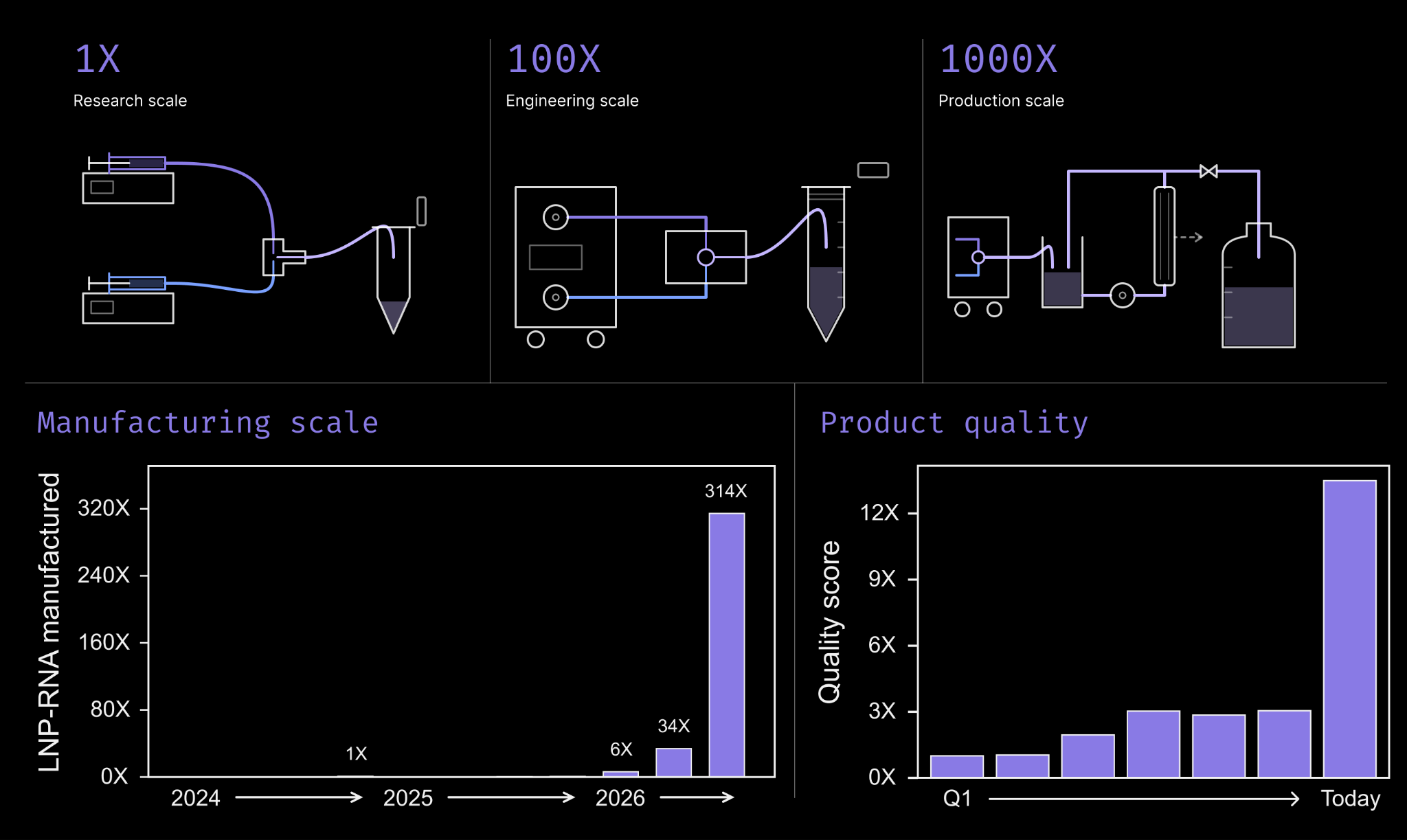
Over the past 3 months, our team completed a scale up process that began this spring. Our Technical Operations group developed a scaled manufacturing method for our LNP-RNA product. This represents a >314X increase in the scale of our manufacturing efforts since the start of the year. We produced more drug in a single batch this summer than in all of 2025 combined!
Quantity of course is only one measure of our productivity. Perhaps even more critical is the quality of the underlying drug product. We’ve simultaneously improved the performance of our manufacturing process by >13X along some dimensions at the same time that we’ve scaled production. This quality is comparable or superior to prior art for clinical studies.
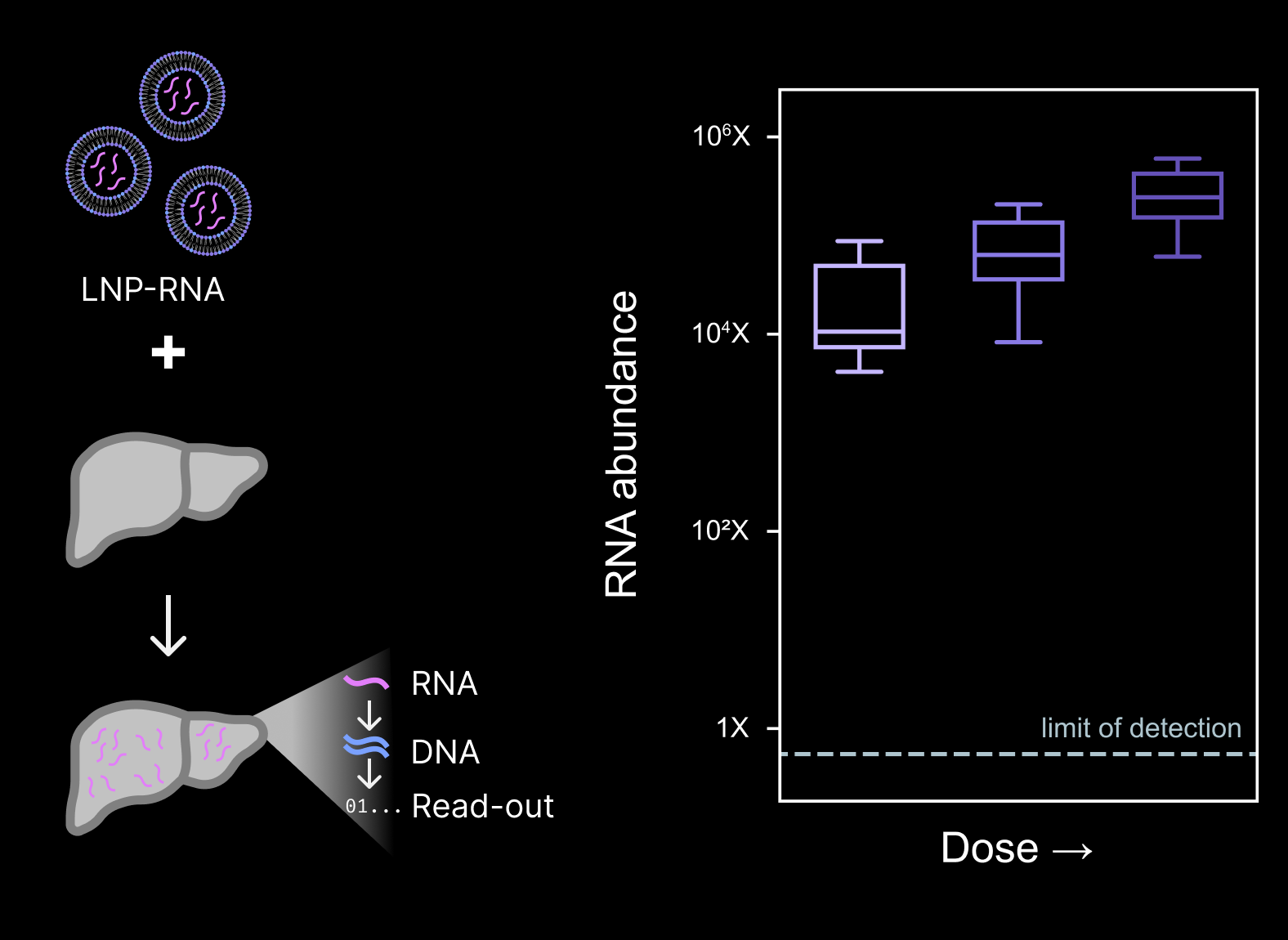
With this drug product in hand, we progressed to evaluate delivery performance in the most relevant preclinical models. Our first product carries RNAs that activate reprogramming factors to hepatocytes in the liver. The amount of RNA that reaches hepatocytes is then a critical performance characteristic. In our initial study of our scaled manufacturing process, we observed strong delivery to the liver tissue, consistent with a performant therapeutic embodiment. These results are the ultimate demonstration that our manufacturing scale up and quality optimizations were effective.
Advancing a product into human trials requires the utmost care to ensure safety. Global therapeutics regulators ensure that all products progressing to this stage are high quality, carry strong preclinical evidence for safety, and have a reasonable likelihood of benefiting patients. Collaborating with these regulators early and often helps ensure that our development plans are aligned with these rigorous standards. Recently, we had productive engagements with regulators that resulted in clear guidance for our program. These engagements represent a milestone in the development of our first reprogramming medicine.
We are excited about the potential benefits that our first and future products may bring to patients. We plan to initiate trials to this effect next year.
Accelerating payload discovery
Our first asset is advancing toward the clinic, but we remain dedicated to the continual discovery of improved reprogramming payloads. Our Discovery Engine grows more performant as the number of payloads we’ve tested grows. Our expectation is that we will not only continue to discover more payloads with therapeutic activity, but that the quality of our best payloads will increase over time.
Over the last few months we’ve witnessed both phenomena. We recently discovered payloads in our Metabolism program that restore regenerative capacity in old hepatocytes 2-3X more effectively. These payloads consistently improved regeneration both in old human hepatocytes in humanized liver models and in old mouse hepatocyte injury models. There are many differences between these human and mouse preclinical evaluations, increasing our confidence that the payloads restore youthful regenerative function in a conserved fashion..
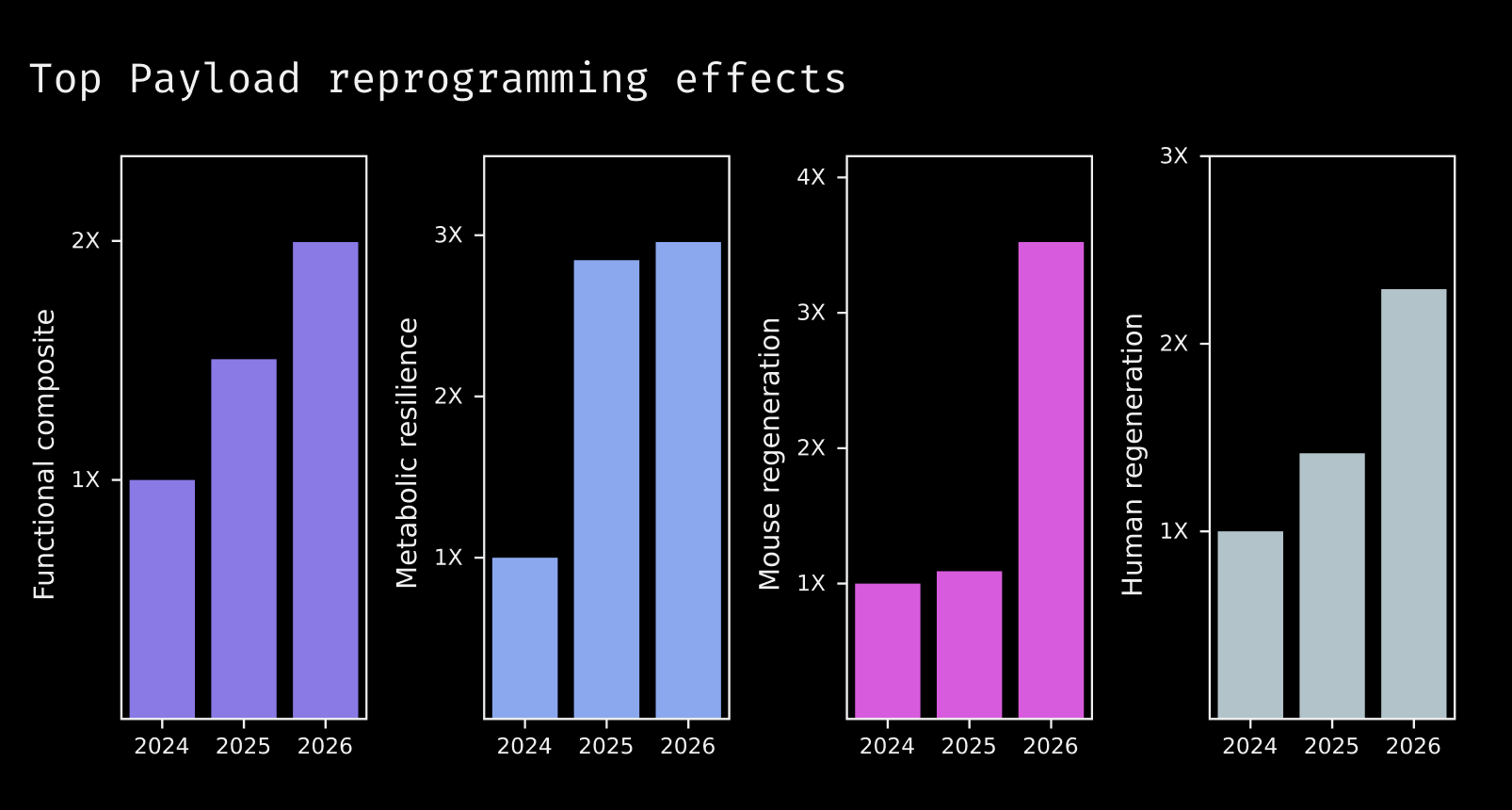
We also discovered 2 new payloads with beneficial effects across multiple axes – pleiotropic payloads in the language of developmental biology. Each of these reprogramming interventions restores both youthful regenerative capacity and youthful resilience to dietary damage. These discoveries represent a 2X increase in the number of pleiotropic payloads we’ve discovered cumulatively. Framed differently, we discovered more pleiotropic payloads this summer than in all of 2025!
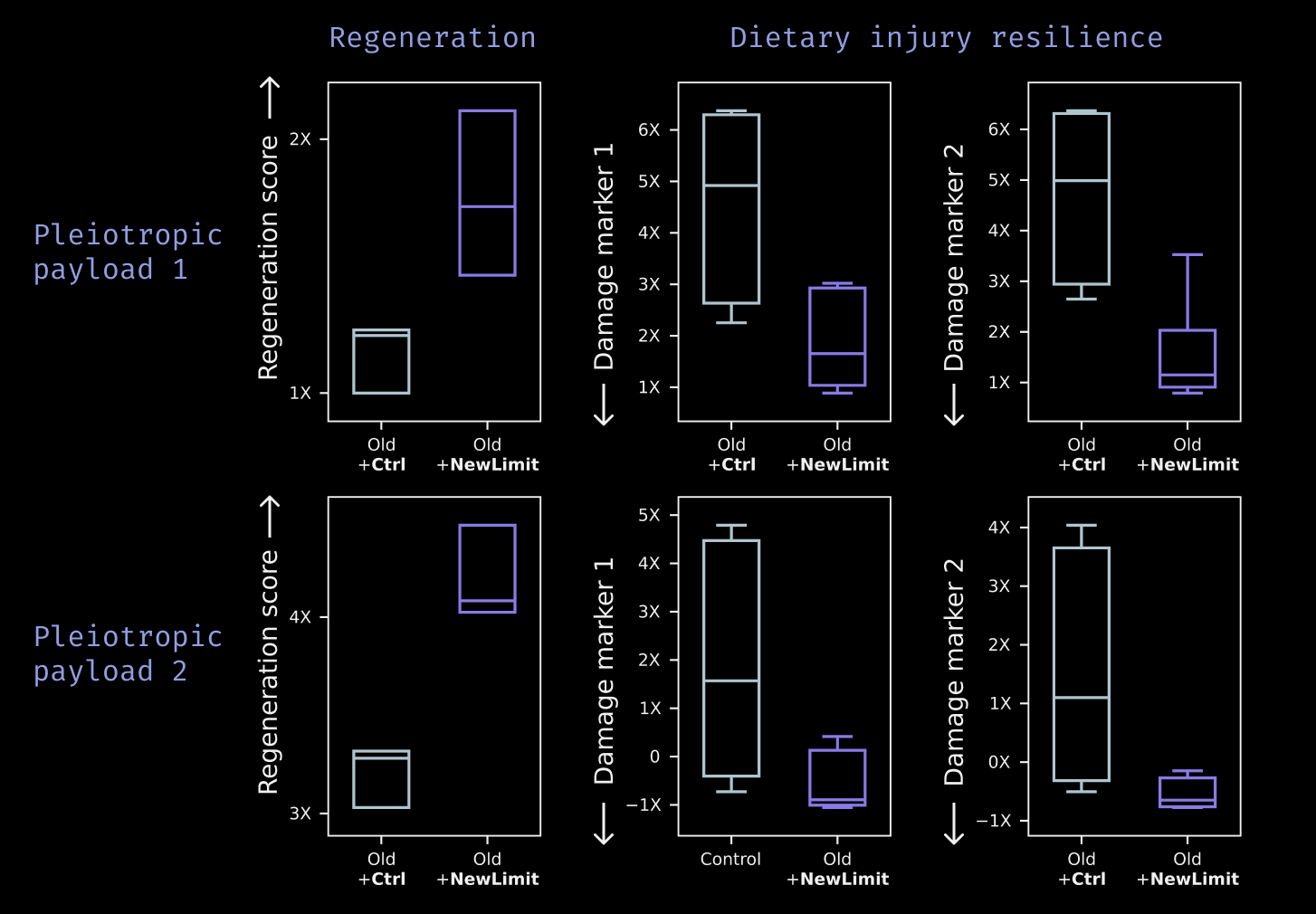
Results like these demonstrate the power of integrating the molecular & intelligence components of our Engine. We look forward to discovering payloads that restore even more youthful function in the quarters to come.
Reprogramming the renovasculature
We launched our third therapeutic area focused on Vascular biology at the beginning of 2026. Our goal is to restore youthful function in the endothelial cells that line blood vessels throughout your body. Initially, we believe such products could restore function in aging kidneys.
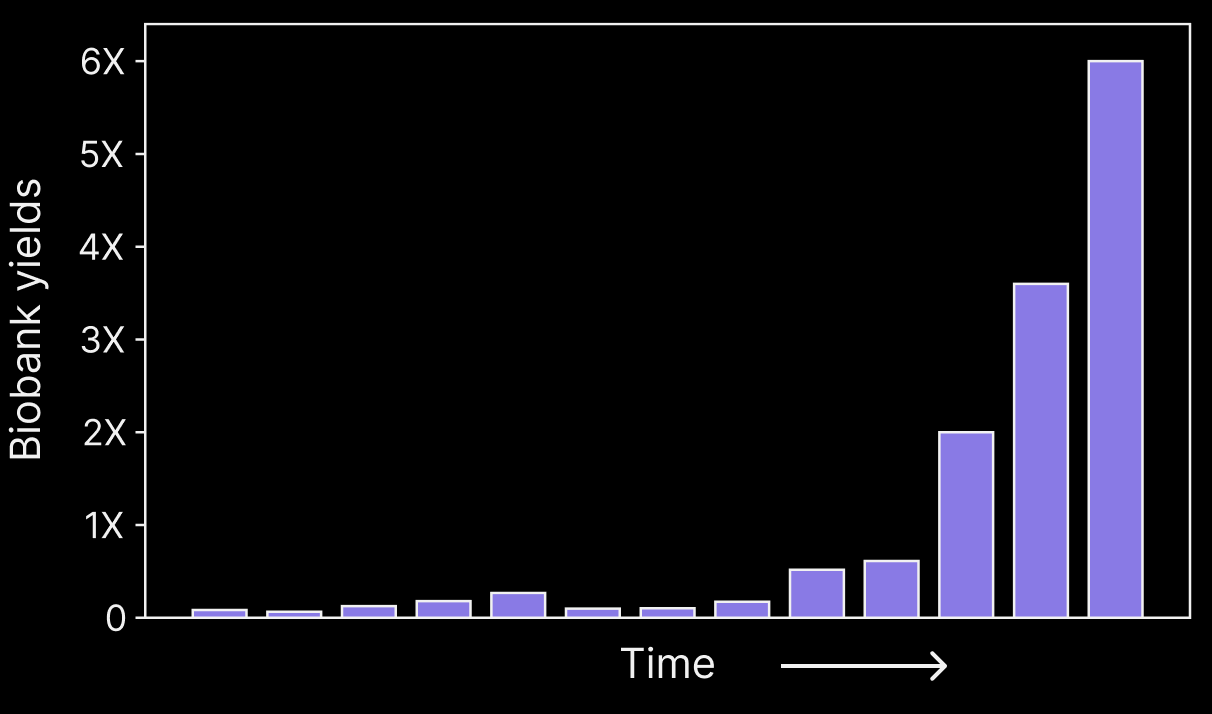
We’ve made progress across 3 axes recently. Our initial studies were limited in scale due to the scarcity of primary human endothelial cells from kidney tissue. We recently optimized an isolation protocol and achieved a >50X increase in endothelial cell yields. These cells are the substrate for much of our downstream research, and this improvement allows us to scale accordingly.
Transfer learning improves the data efficiency of reprogramming AI
In part thanks to scaling our screens, we were able to improve the performance of our AI models that predict cell age from endothelial genomic profiles. These models serve as an in silico assay to help us discover reprogramming factors that restore youthful gene expression in old cells. In other words, payloads that make an old cell look like a young cell based on the genes that are active.
We’ve also been iterating on our reprogramming AI system that predicts which payloads to test next. We unlocked early signs of transfer learning across programs this spring. We’ve since demonstrated that these benefits generalize to predict functional reprogramming in endothelial cells, improving the data efficiency of our reprogramming AI system by >5X. This allows us to identify promising payloads with substantially fewer experiments.
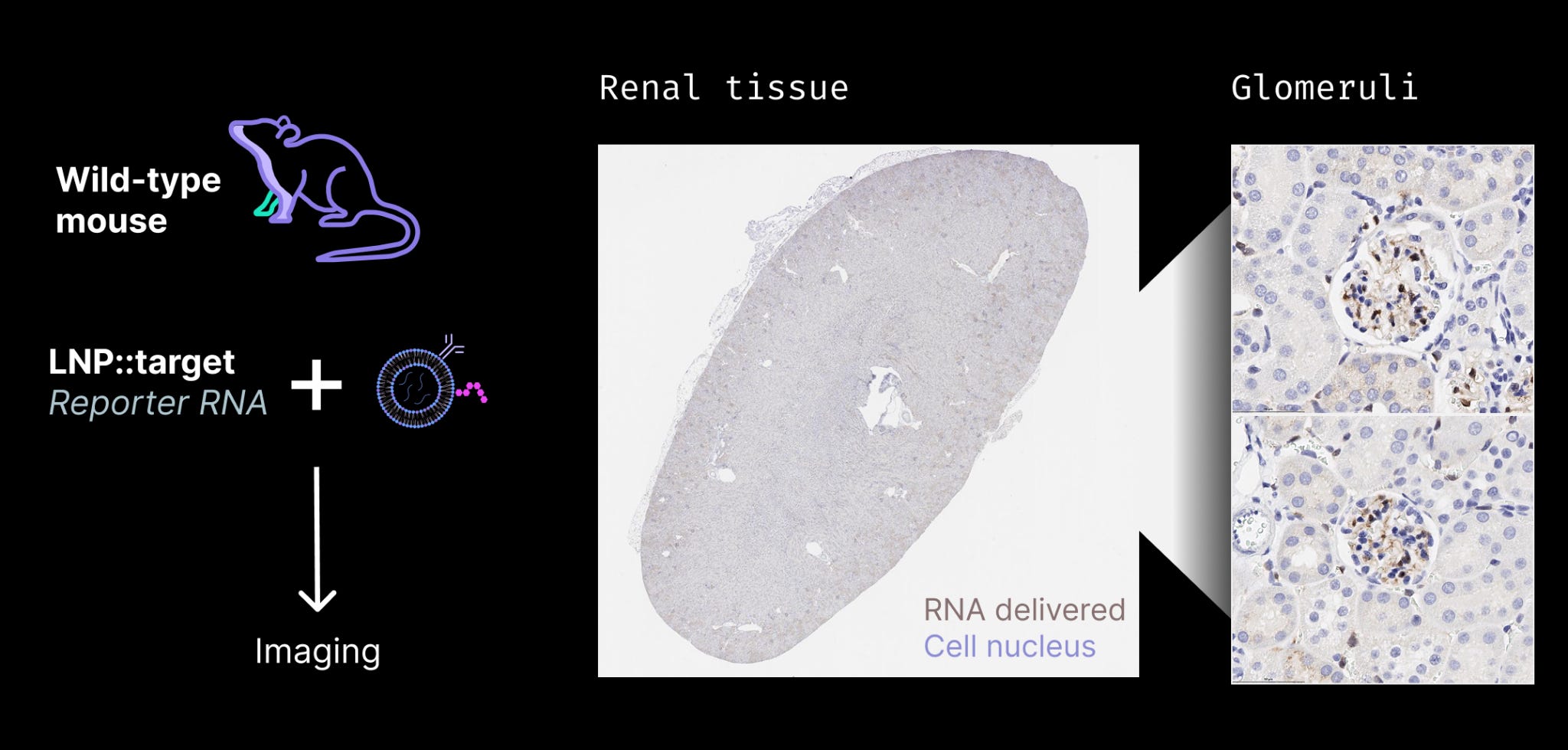
Targeted lipid nanoparticles deliver nucleic acids to glomeruli
The payloads we’ve discovered using these systems are only useful if we can deliver RNA to endothelial cells in the body. We’ve previously formulated an LNP that delivers RNA to endothelial cells in the kidney and demonstrated state-of-the-art performance.
We showed last month that this delivery is strongly localized to the glomeruli, bundles of endothelial cells that function as a filter interface for the bloodstream. This suggests that our payloads are reaching exactly the vascular bed of interest for renal therapeutics. By Fermi calculations, we estimate that we’re able to deliver quantities of mRNA to glomerular endothelial cells that are comparable to those commonly delivered to hepatocytes in the liver.
Elsewhere
We were generously offered the opportunity to share our story in other venues this summer.
Endpoints: feature story on NewLimit for the Endpoints 11 award
National Geographic: Beautiful photography by Robert Clark of our humanized liver screening system
Sabrina Halper Show: aging biology, long-lived species, reprogramming medicines, evolution
Join NewLimit
NewLimit is growing faster than ever before. We’re recruiting for roles at all levels across our research and development functions. This is the most exciting time in the company’s history. Please reach out if you’d like to share it with us.